

What Are Springtails and Are They Harmful?
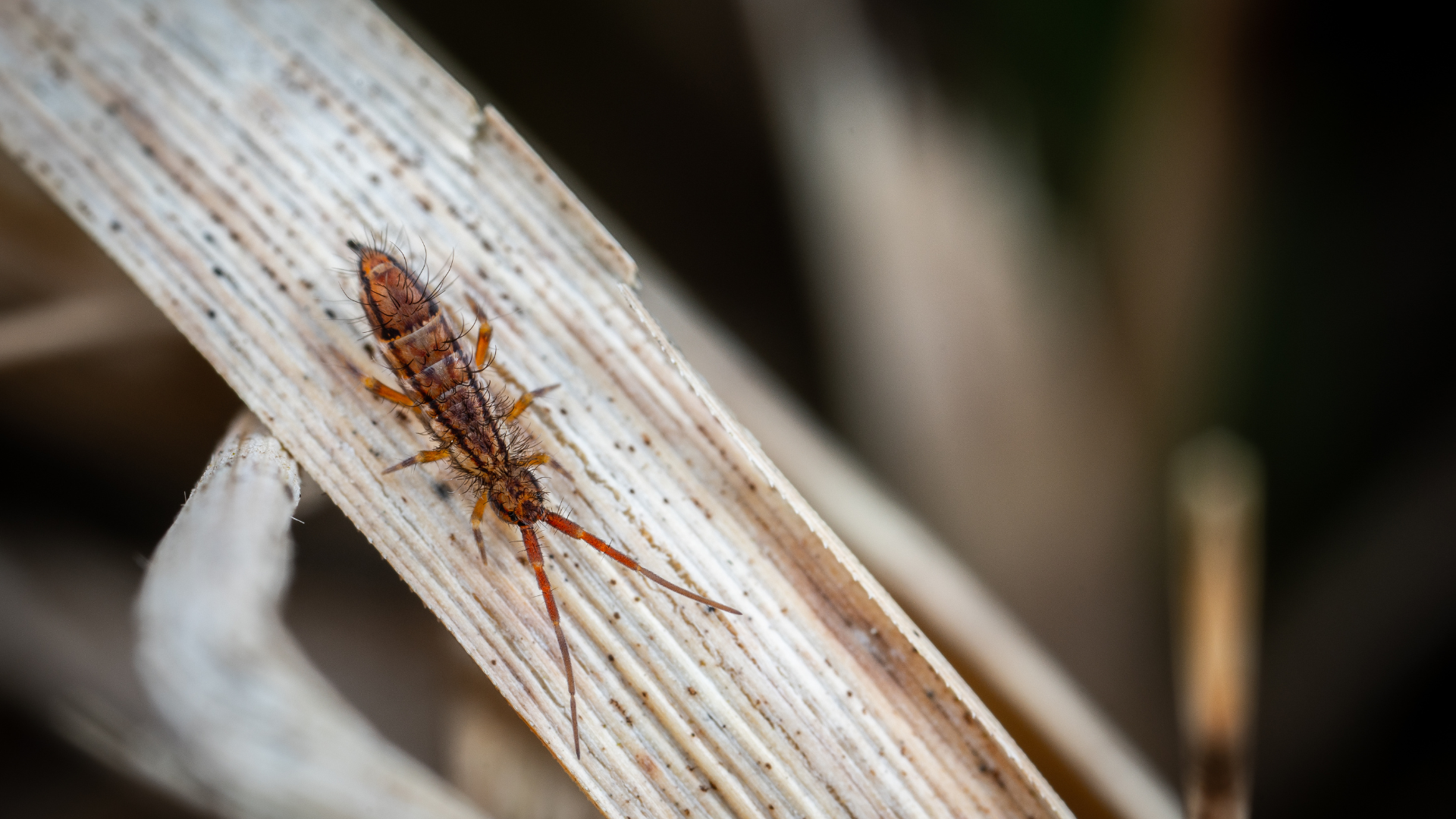
If you've noticed tiny bugs gathering around your basement, bathroom, windows, or foundation, you may be dealing with springtails. These small insects are a common nuisance pest in Iowa, especially during periods of wet weather. While they are often mistaken for fleas because of their ability to jump, springtails are very different and pose little risk to people or pets.
At Evicted Pest Control, we occasionally receive calls from homeowners in Sac County who are concerned about tiny jumping bugs appearing inside their homes. The good news is that springtails are not dangerous, but their presence can signal an underlying moisture issue that should not be ignored.
What Are Springtails?
Springtails are tiny insects that thrive in damp environments. Most are less than one-sixteenth of an inch long and can be gray, black, white, or brown in color. They get their name from a specialized appendage tucked beneath their bodies that allows them to "spring" into the air when disturbed.
Outdoors, springtails play an important role in nature by feeding on decaying organic matter, fungi, mold, and algae. They are commonly found in mulch, landscaping beds, leaf litter, compost piles, and areas with consistently moist soil. While they are beneficial outdoors, they become a nuisance when large numbers begin making their way into homes.
Are Springtails Harmful?
One of the most common questions we hear is whether springtails are harmful to people, pets, or property.
The answer is no.
Springtails do not bite, sting, spread disease, or damage homes. Unlike termites, they do not feed on wood. Unlike fleas, they do not feed on humans or animals. In fact, many homeowners are relieved to learn that the tiny jumping bugs they are seeing are not fleas at all.
Although springtails are not dangerous, they can become frustrating when populations grow. Homeowners may find them gathering around sinks, bathtubs, basement walls, crawl spaces, window frames, or other areas where moisture is present. When large numbers are visible, it often indicates that conditions around the home are ideal for them to survive and reproduce.
Why Are Springtails Showing Up in My Home?
Springtails are attracted to moisture. In Sac County, it is common to see increased springtail activity during wet spring months, after heavy rainfall, or in areas where drainage problems exist around a home's foundation.
These pests are often drawn indoors when outdoor populations become too large or when conditions outside change. Once inside, they seek out damp locations where they can continue feeding on mold, mildew, and organic matter.
If you're seeing springtails in your home, there is usually a moisture source nearby. Excess humidity in a basement, a leaky pipe, poor ventilation, water intrusion around the foundation, or overly wet landscaping can all create conditions that attract springtails.
Because they are so small, springtails can enter through tiny cracks and gaps around windows, doors, and foundations. Many homeowners first notice them on basement floors, around utility rooms, or near bathroom fixtures.
Springtails vs. Fleas
Springtails are frequently mistaken for fleas because both insects jump when disturbed. However, there are important differences.
Fleas are parasites that feed on the blood of animals and humans. They are typically associated with pets and can leave itchy bites. Springtails, on the other hand, do not bite and have no interest in people or animals.
A homeowner who notices tiny jumping bugs near moisture-prone areas such as bathrooms, basements, or windows is often dealing with springtails rather than fleas. Proper identification is important because treatment methods are very different.
How to Get Rid of Springtails
The key to controlling springtails is controlling moisture. Simply spraying insects without addressing the conditions attracting them often leads to recurring problems.
Reducing excess moisture around the home can help make the environment less inviting to springtails. Fixing leaks, improving ventilation, managing humidity levels, and correcting drainage issues around the foundation are all important steps.
Outdoor conditions also play a role. Mulch beds, landscaping materials, and organic debris that remain consistently wet can support large springtail populations. When those populations grow, homeowners may begin noticing insects migrating toward the home.
Professional pest control treatments can help reduce active populations while identifying the conditions contributing to the problem. An experienced pest control technician can determine where springtails are entering, locate moisture concerns, and recommend a comprehensive solution.
Springtail Control in Sac County, Iowa
While springtails are not dangerous, they can be a sign that your home has excess moisture that deserves attention. If you're seeing tiny jumping bugs in your basement, bathroom, crawl space, or around your home's foundation, it's worth having the issue evaluated before it becomes a larger problem.
Evicted Pest Control provides pest control services throughout Sac County and surrounding Northwest Iowa communities. If you're dealing with springtails or other nuisance pests, we can help identify the source of the problem and recommend an effective treatment plan.
Contact Evicted Pest Control today to schedule an inspection and get back to enjoying your home without unwanted pests.
