

Proper And Effective Bat Removal In Iowa
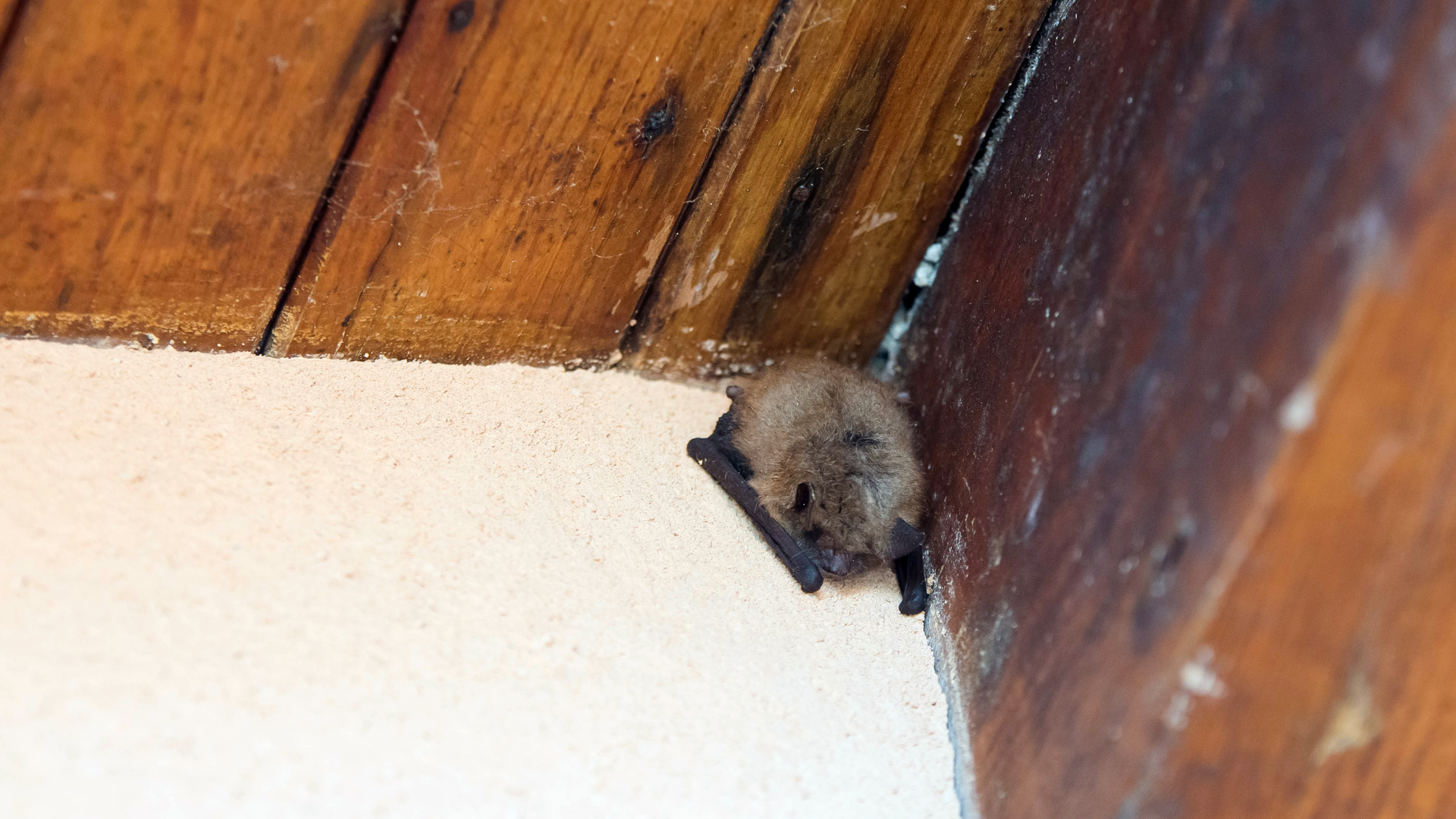
Hearing scratching in your walls or seeing a bat dip out of your soffit at dusk is unsettling. Your instinct is to get them out immediately. But bat removal isn't a same-day fix, and it shouldn't be. Done wrong, it can trap animals inside your home, violate wildlife protections, or leave gaps that let the colony right back in next year. Here's exactly how Evicted Pest Control handles bat removal, and why the process works.
Why You Can't Just Seal Them Out
The most common mistake homeowners make is sealing up the entry point themselves the moment they spot a bat. If that gap is being used by a maternity colony, and there are pups inside too young to fly, sealing it traps the babies inside your walls or attic. That leads to a far worse problem: dead animals, odor, and structural cleanup, on top of the original issue you were trying to solve.
This is also why timing matters. Iowa's bat maternity season runs roughly from late spring through July. During this window, we do not perform exclusions. It's not just about the law, though disturbing maternity colonies is restricted in many cases. It's about doing the job right the first time, without harming the animals we're removing.
Our Process, Step by Step
Inspection: We start by identifying every entry point, roosting location, and the general size of the colony. This includes checking fascia boards, soffits, vents, chimneys, and any gaps around the roofline, since bats can fit through openings as small as three-eighths of an inch. We also assess damage: guano accumulation, insulation contamination, and odor.
A tailored exclusion plan: Based on what we find, we map out every access point that needs to be addressed. Bats often use more than one entry, so a plan that only closes the obvious one leaves you back at square one.
Humane exclusion: Once the season allows it, typically by mid-to-late August, we install one-way exclusion devices at active entry points. These let bats exit to feed at night but prevent them from re-entering. No trapping, no poison, no killing. The colony leaves on its own schedule, over the course of several days to a couple of weeks.
Sealing and exclusion device removal: Once we've confirmed the colony has fully vacated, we remove the one-way devices and permanently seal every access point, so the same colony, or a new one, can't move back in.
Cleanup: If there's significant guano buildup or insulation damage, we'll walk you through remediation options so your attic is safe and livable again.
Why This Process Exists
Every step above exists for a reason: to protect you, your home, and the bats. Bats are protected under various state and federal guidelines specifically because of their role in insect control and, in some regions, pollination. A company that offers to remove bats immediately, regardless of season, is either cutting corners on the law or risking a maternity colony death inside your walls. Neither outcome serves you well as a homeowner.
What to Do If You Suspect Bats Right Now
If you're hearing noise in your attic, seeing droppings, or spotting bats at dusk, don't wait to find out. Schedule an inspection now. We'll confirm what you're dealing with, document entry points, and get your exclusion plan built and queued up, so the moment the season allows for safe removal, you're first in line, not starting the process from scratch in August.
Evicted Pest Control proudly serves homeowners throughout Sac County, Calhoun County, and Carroll County, Iowa. If bats have moved into your home, call us or schedule your inspection online today.
