

Bats in Iowa: What Homeowners Need to Know
Bats play an important role in Iowa’s ecosystem, but that doesn’t mean you want them living in your attic. If you’ve noticed signs of bats in your home, it’s important to understand both the risks and the laws around removing them.
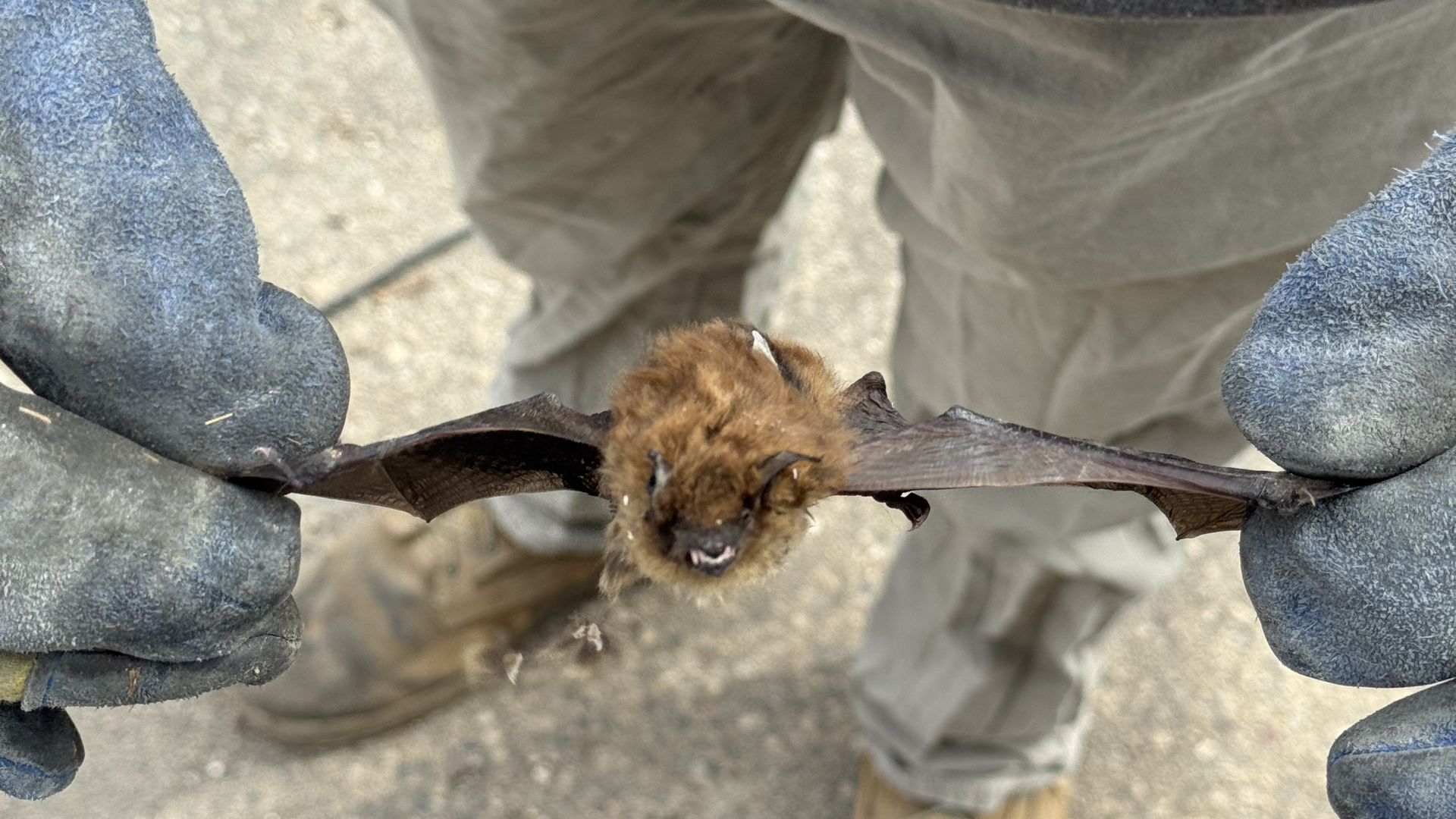
Are Bats Protected in Iowa?
Yes—bats are classified as a protected nongame species under Iowa law. That means it is illegal to kill them. While they can’t be exterminated, homeowners are allowed to protect their property by removing bats using safe, humane exclusion methods.
Bats are beneficial because they help control insect populations, but inside a home, they can create health and structural concerns.
When Can Bats Be Removed?
Timing matters more than most people realize.
In Iowa, bat removal is restricted during the maternity season, which typically runs from May through August. During this time, female bats give birth and raise their pups. Baby bats cannot fly for several weeks, so if exclusion methods are used too early in the season, the adult bats will leave—but the babies will be trapped inside and die.
Because of this, humane bat removal is generally done:
Before maternity season (early spring)
Or after pups can fly (late summer through fall)
Signs You May Have Bats in Your Home
Bats are quiet and often go unnoticed at first. Here are the most common signs homeowners should watch for:
Chirping or scratching noises in walls or attic, especially at dusk or dawn
Bats seen flying near your roofline in the evening
Small, dark droppings (guano) in your attic or around entry points
Staining or greasy marks near small gaps or openings on your home’s exterior
A strong ammonia-like odor from accumulated guano
Bats can squeeze through openings as small as 3/8 of an inch, so even tiny gaps in siding, soffits, or rooflines can become entry points.
How Are Bats Removed from a Home?
Since bats cannot be killed, the standard approach is a process called exclusion.
This involves:
Identifying all entry and exit points
Sealing off secondary openings
Installing one-way doors or devices that allow bats to leave but not re-enter
Over several nights, the bats exit the home to feed and are unable to return.
Once all bats have safely left, the final step is sealing the primary entry points to prevent future infestations.
Why You Shouldn’t Handle Bats Yourself
Bat removal isn’t a typical DIY project. Aside from the legal considerations, there are a few real risks:
Rabies exposure (while rare, bats are a known carrier)
Histoplasmosis, a respiratory illness linked to bat droppings
The risk of improper timing, which can lead to trapped pups and bigger issues
Handling bats incorrectly can make the problem worse—and potentially put your health at risk.
Final Thoughts
Finding bats in your home can be unsettling, but the situation needs to be handled carefully. Because they are protected and removal is seasonal, the best approach is informed, humane exclusion done at the right time of year.
If you suspect bats are in your attic or walls, the sooner you confirm it, the more options you’ll have for dealing with the issue properly.
